


Spanning two sites on Kabi Kabi Country in Queensland’s Noosa Hinterland, Yurol and Ringtail are being restored by Greenfleet and transitioning into National Park.
Bringing together significant climate action, reconciliation, and habitat restoration, Greenfleet is proud to be delivering this project with our Principal Partner, the GPT Group.
This project is:
- Protecting our climate by restoring legally protected native forest
- Creating vital habitat for koalas, that are endangered in Queensland
- Delivering verified social and cultural benefits for Traditional Owners
- Replacing monoculture plantation with biodiverse native ecosystem
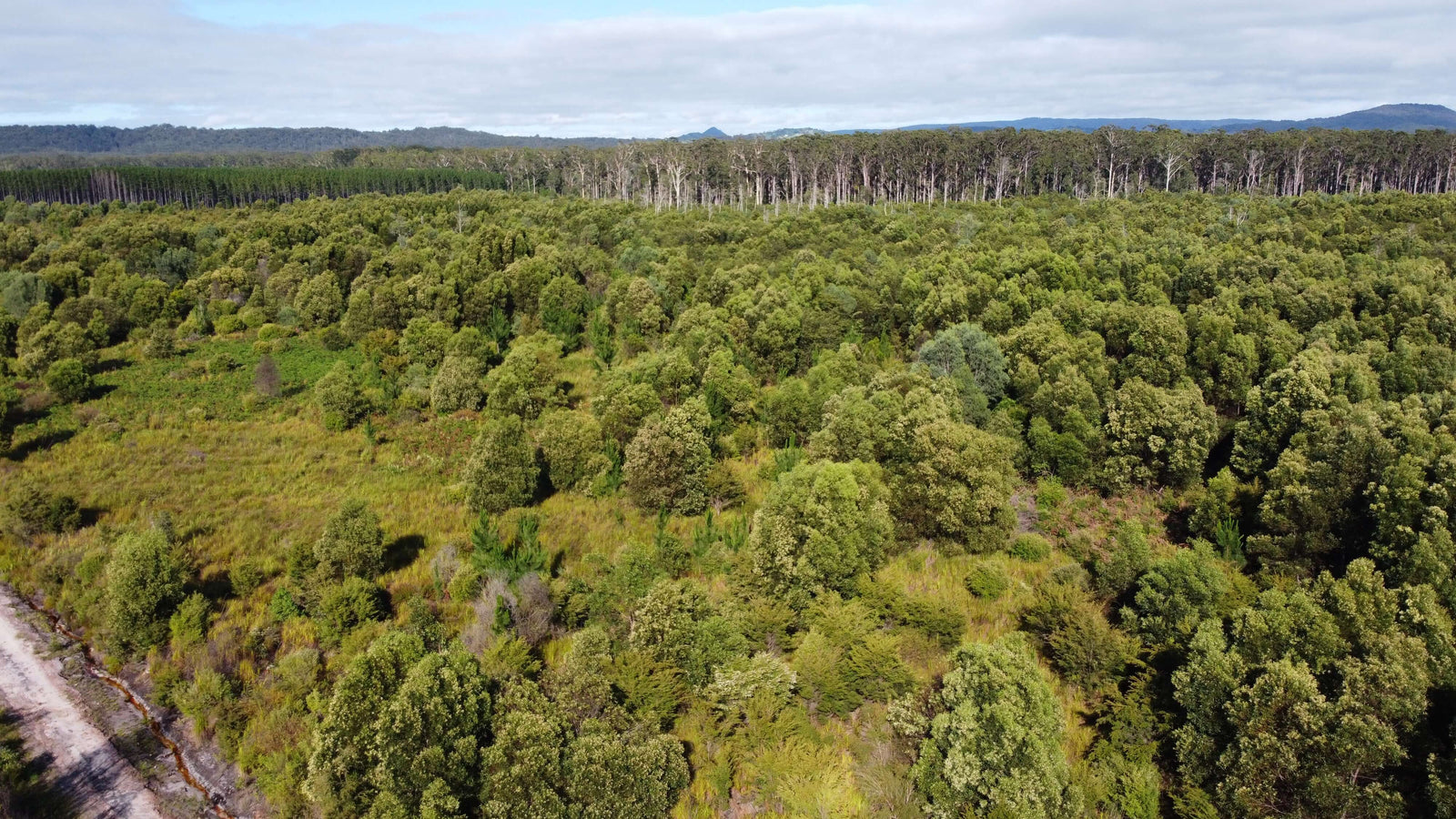

Location & Map
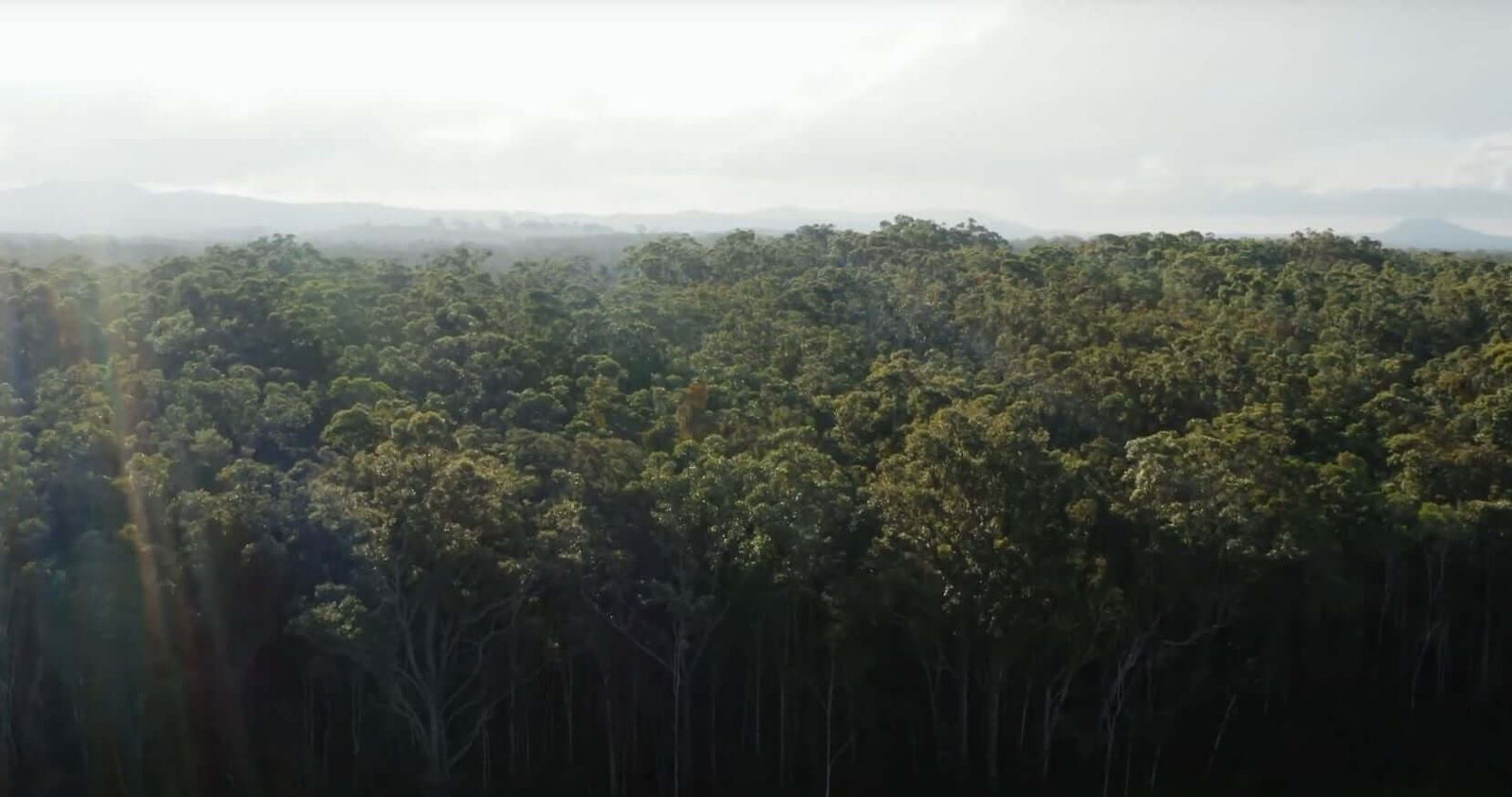
This project is located in the Noosa Hinterland and Greenfleet is progressively revegetating around hundreds of hectares to ensure the native ecosystem returns and thrives. Incredibly, the revegetation area is a thousand times the size of Queensland Suncorp Stadium’s playing surface.
By re-establishing a native biodiverse forest and growing protected koala habitat, Greenfleet is building on an award-winning project initiated by Noosa Parks Association, with support from Noosa Shire Council, Noosa Landcare, and the Queensland Government.
Through this project, 2,400 hectares of former plantation became part of Tewantin National Park.
This project adds to Greenfleet’s ecosystem restoration work in this region, including Dangerbridge, a long-term project located just north of Noosa.
"This is something that we’re going to be able to look back on, to see 2,400 hectares of land come across to national park, revegetated to capture some carbon, create wildlife connectivity, koala habitat, water quality advancements, Indigenous work, Kabi story lines. I think in my lifetime, this will be the single biggest environmental improvement that I see. It’s an exciting project.” - Phillip Moran, former General Manager at Noosa District Landcare and Greenfleet Board Director.

A Landmark Agreement With Traditional Owners
In 2021, Greenfleet signed an Indigenous Land Use Agreement (ILUA) with the Kabi Kabi Peoples Aboriginal Corporation, which represented a vital step in this project.
Together with Kabi Kabi people, the Traditional Owners of Queensland’s Sunshine Coast region, Greenfleet has developed carbon offsets with cultural and social co-benefits that are verified by the Aboriginal Carbon Foundation.
Rowan Foley, CEO of the Aboriginal Carbon Foundation, advised “the reason why Traditional Owners are involved in these types of projects is to look after Country. Greenfleet will support Traditional Owners in looking after Country – so it’s very much a win-win situation here.”

This approach ensures we are providing economic support to the Kabi Kabi people while taking critical steps to protect our climate. In partnership with Noosa District Landcare, we also offer employment opportunities and traineeships that will help Traditional Owners work on Country.
Kabi Kabi trainees have been employed to work directly on this project and Kabi Kabi leaders provide regular cultural training to the revegetation crew.
When the agreement was signed, Greenfleet CEO, Wayne Wescott said, “we’re thrilled to have reached this agreement with Kabi Kabi. To be able to combine climate action with a direct revenue stream for Traditional Owners, jobs on the ground, and to help bring their young people back to Country by providing capacity and opportunity: it’s a rich and sustaining partnership, and one that I feel very proud of”.

Native Title Determination
In 2024, the Kabi Kabi people were awarded Native Title over the Sunshine Coast, recognising them as the Traditional Owners of the land covering Noosa, the Glasshouse Mountains, Bribie Island and Mudjimba Island.
Greenfleet is proud to work directly with the Kabi Kabi Peoples Aboriginal Corporation in restoring this region's native forests and recognises the incredible effort from their community in reaching this milestone.

Revegetation Approach & Species Selection
Due to the historical forestry plantations across these sites, there has been depletion of a naturally biodiverse forest canopy. One of Greenfleet’s ecological priorities is to restore the forest canopy, providing protection to understorey species and building habitat for native wildlife, including koalas.
Greenfleet planted 13 different locally native species to help increase biodiversity across the sites.
Fast-growing eucalypt species have been planted to form the forest canopy, including blue gum (Eucalyptus tereticornis) which is also preferred source of habitat and food for koalas. Other species planted include brush box (Lophostemon confertus), a fast-growing pioneer species that can help re-establish woodlands.

Growing Protected Koala Habitat
While delivering climate action and supporting reconciliation, this project will help create and extend critical habitat for the region’s wildlife.
By re-establishing a native biodiverse forest, Greenfleet is extending legally protected native forest that will directly benefit species such as koalas and native mammals, birds, reptiles, and frogs that call the national park home.
Greenfleet’s revegetation work is particularly important for species like koalas and greater gliders as they are listed as endangered in Queensland. We have also planted forest she-oak (Allocasurina torulosa), which is utilised by glossy black cockatoos known in the region.

Partners
Our Principal Project Partner on this project is the GPT Group. Some of their team are pictured here on a visit to the site in 2024.
Greenfleet is also working with several organisations to bring this project to life.
- Kabi Kabi Peoples Aboriginal Corporation
- Aboriginal Carbon Foundation
- Noosa District Landcare
- Noosa Shire Council
- Noosa Parks Association
- Queensland Government
When reflecting on this project former Noosa Council CEO, Brett de Chastel, said “what separates this project from others is two things; Firstly, it’s changing the scale. We’re talking regional connectivity of over 2,400 hectares. And secondly, it pushes back. It is actually restoring land, not just preserving it.”
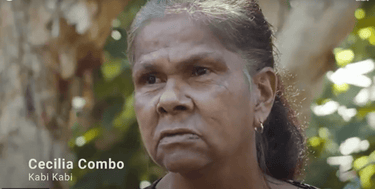
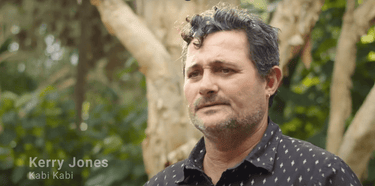
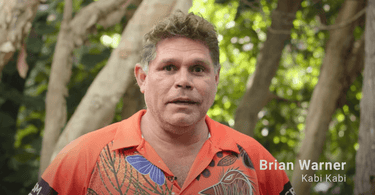
What This Project Means To Kabi Kabi
-
![]()
Cecilia Combo
Watch here -
![]()
Kerry Jones
Watch here -
![]()
Brian Warner
watch here -
![]()
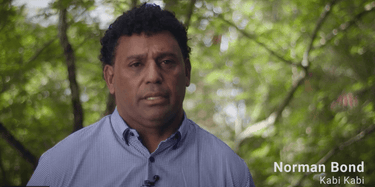
Norman Bond
watch here
Planting Dates
2020, 2021, 2022, 2023, 2024, 2025, 2026
Species
- Forest oak (Allocasurina torulosa)
- Pink bloodwood (Corymbia intermedia)
- Bancroft's gum (Eucalyptus bancroftii)
- Flooded gum (Eucalyptus grandis)
- Tallowwood (Eucalyptus microcorys)
- Grey gum (Eucalyptus propinqua)
- Snappy gum (Eucalyptus racemosa)
- Red mahogany (Eucalyptus resinifera)
- Swamp mahogany (Eucalyptus robusta)
- Blue gum (Eucalyptus tereticornis)
- Brush box (Lophostemon confertus)
- Broad-leaved paperbark (Melaleuca quinquenervia)
- Turpentine (Syncarpia glomulifera)